
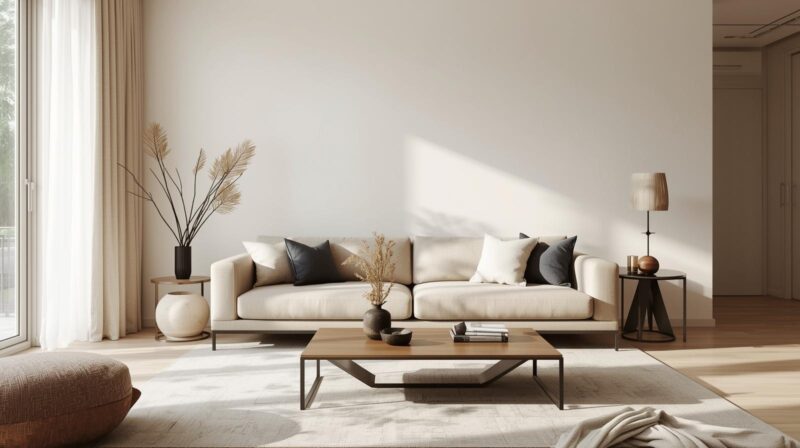
Embarking on an interior design project is an exciting adventure, but it can also feel a little overwhelming. One of the first and most fundamental decisions you’ll face is the choice between two major design philosophies: Modern and Classic. This single choice sets the tone for everything that follows, from the sofa you buy to the light fixtures you hang.
But how do you choose? The key is to remember that neither style is better than the other. It’s simply about which one resonates with your personality, your lifestyle, and the story you want your home to tell. Let’s break down the essence of each style and explore how you might even blend them to create a space that is truly yours.
The Allure of Classic Design: Timeless Elegance
Classic design draws its inspiration from centuries-old European traditions, with styles like Georgian, Victorian, or French Country. The core principles here are symmetry, order, and a rich sense of history. A classic interior feels curated, formal, and wonderfully detailed.
Its hallmarks are architectural features like ornate moldings, wainscoting, and coffered ceilings. The furniture is often substantial and features carved wood, curved legs, and luxurious fabrics like velvet, silk, and damask. The color palettes tend to be warm and rich, with deep reds, navy blues, and creamy neutrals taking center stage. Every detail matters, from the gilded mirrors and crystal chandeliers to the art in its elaborate frames. A classic home feels comforting, sophisticated, and grand. It has a soul, filled with heirlooms and a sense of permanence, making it perfect for those who find beauty in tradition and appreciate artisanal craftsmanship.
The Appeal of Modern Design: Sleek Simplicity
Modern design (often used interchangeably with “Contemporary”) emerged in the early 20th century as a radical shift away from ornamentation, championing the principle that “form follows function.” This style is clean, uncluttered, and focused on simplicity and space.
The lines here are clean and straight, or gently curved. The focus is on the shape of each piece of furniture, with open floor plans and large windows for abundant natural light. You won’t find unnecessary decorations here. Materials are celebrated for their raw, honest qualities: think polished concrete, exposed steel, glass, and light-toned woods like ash and beech. The color palette is typically neutral—black, white, and gray—often punctuated by a single bold color used as a pop of an accent. A modern home feels calm, orderly, and expansive. It’s like a breath of fresh air, ideal for anyone with a minimalist mindset who craves a serene, uncluttered environment that emphasizes flow and light.
A Side-by-Side Look
To really see the difference, imagine a living room in each style.
A Classic living room might feature a large, rolled-arm sofa in a patterned fabric, flanked by two identical tufted armchairs. A detailed Persian rug would sit under a heavy wooden coffee table. A grand fireplace with a marble mantle would be the focal point, topped with an ornate mirror.
A Modern living room, on the other hand, would likely have a low-profile, modular sofa in a solid neutral color, accompanied by a single sculptural chair. A simple, geometric rug would lie on a polished concrete floor. The fireplace would be sleek and minimal, perhaps a seamless box of simple tile.
The Best of Both Worlds: The Transitional Style
What if you love the clean lines of modern design but are also drawn to the warmth and comfort of classic decor? You don’t have to choose! The most popular and personal approach today is Transitional style. This beautiful hybrid bridges the gap, creating spaces that feel both fresh and timeless.
Transitional interiors strike a careful balance. You might pair a modern, streamlined sofa with a more classic, wooden coffee table that has softer edges. A room might feature a neutral, modern color scheme but incorporate texture through a plush, classic-inspired rug and heavy linen curtains. The lighting could be a sleek track system combined with a statement chandelier that’s a modern twist on a traditional design.
Finding Your True North
So, how do you figure out which style is for you? Start by looking inward.
- Browse with Purpose. Create a Pinterest board or a physical mood board. Don’t overthink it; just save images you’re naturally drawn to. After collecting 20 or 30 pictures, look for patterns. Are the spaces light and airy, or dark and cozy? Are the lines straight or curved?
- Consider Your Home. Does your home have architectural features that lean one way? A house with crown molding and arched doorways might naturally suit a classic or transitional style, while a loft with an open plan is a blank canvas for modern design.
- Think About Your Lifestyle. Do you have young children or pets? A pristine, white modern interior might cause more stress than joy. A more forgiving, textured transitional space might be a better fit.
Ultimately, your home should be a reflection of you. Don’t get bogged down by strict rules. Whether you lean fully Modern, wholly Classic, or find your sweet spot somewhere in between, the goal is to create a space that feels authentically yours.