We often think of our homes and offices as passive backdrops to our lives. They’re just the containers where things happen, right? But what if the walls, the colors, the light, and the layout are actively participating in your day? The truth is, our surroundings are not just a stage; they are a key player in our well-being and efficiency.
Interior design is far more than just aesthetics. It’s a powerful tool that directly influences our emotions, mental state, and even our ability to focus and create. Understanding this connection allows you to intentionally shape your environment to support a happier, healthier, and more productive you.
Let’s explore the key elements that turn a simple room into a mood-altering machine.
The Psychology of Color: More Than Just a Pretty Hue
Color is the most immediate and emotional design element. It doesn’t just decorate a space; it communicates feelings on a primal level. For calm and serenity, soft, cool colors like pale blues, gentle greens, and lavender are known to lower heart rates and reduce stress. They are perfect for bedrooms and bathrooms where the goal is relaxation and rejuvenation. Imagine winding down in a spa-like bedroom painted a soft seafoam green it’s almost impossible not to take a deep breath and relax. For energy and focus, warm, bright colors like yellows, oranges, and reds can stimulate the mind and body. However, they must be used strategically. A bold red accent wall in a dining room can encourage lively conversation, but that same red in a home office might lead to agitation. For workspaces, earthy tones like warm terracotta or soft sage green can promote grounded focus without being overwhelming. If you crave clarity and neutrality, neutrals like white, gray, and beige create a sense of cleanliness, space, and order. They provide a calm, blank canvas that reduces visual noise, which is why they are so popular in modern workspaces. They allow your mind to focus on the task at hand without distraction.
Let There Be (The Right) Light
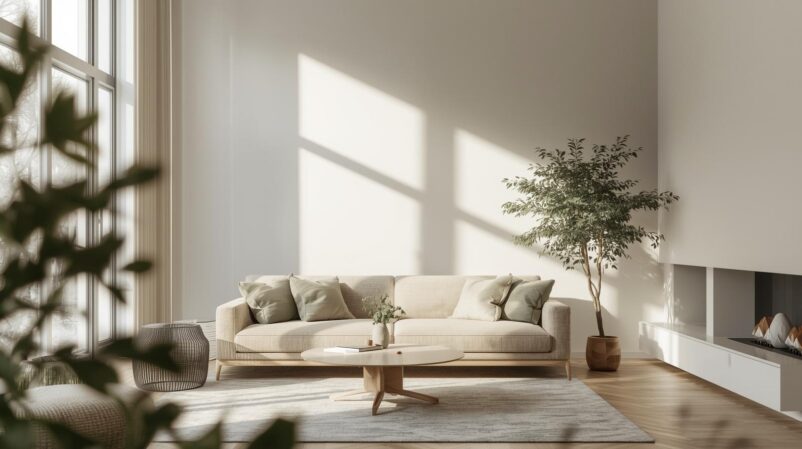
Lighting is the unsung hero of interior design. It can make or break a room’s atmosphere. There are three main types to consider. Natural Light is the gold standard. Exposure to natural daylight regulates our circadian rhythms, boosts Vitamin D, and improves mood. Maximize windows, use sheer curtains, and position your desk to soak up the sun. A room flooded with natural light feels optimistic and energizing. Ambient Light is the general illumination of a room. Harsh, overhead lighting can feel clinical and stressful. Instead, opt for softer, diffused ambient light from multiple sources. Think of dimmer switches and layered lighting to create a more comfortable and adaptable environment. Lastly, Task Lighting is a bright, focused lamp on your desk or a pendant light over your kitchen counter. This focused light helps create a zone of productivity and reduces eye strain, signaling to your brain that it’s time to work.
The Layout and Flow: The Architecture of Ease
How furniture is arranged dictates how you move and interact in a space. A cluttered, cramped room can cause subconscious anxiety and hinder movement. An open, well-organized layout promotes a sense of freedom and calm. Think about the concept of “clear space, clear mind.” An organized room with a logical flow subconsciously tells your brain that things are under control. In a workspace, this means creating distinct zones for different tasks, which can dramatically improve focus and efficiency.
The Power of Texture and Nature
This is where design becomes a sensory experience. Incorporating a variety of textures a chunky knit throw, a smooth wooden desk, a soft wool rug adds depth and interest that makes a space feel inviting and comfortable. These tactile elements make a room feel lived-in and warm, which is essential for emotional well-being. Furthermore, the biophilic design trend—integrating nature into our interiors—is backed by solid science. Adding plants not only improves air quality but has been shown to reduce stress and increase creativity. Even views of nature, images of natural landscapes, or materials like wood and stone can have a calming, restorative effect.
Designing for Your Best Life
The goal is to be intentional. Your home office should be designed for concentration with good task lighting, a supportive chair, and a color scheme that promotes focus. Your living room should be a sanctuary for connection and relaxation with comfortable seating, soft lighting, and calming colors. By making conscious choices about color, light, layout, and texture, you stop being a passive occupant of your space and become its active creator. You can design an environment that doesn’t just look good, but actively helps you feel good and perform at your best. Your space should be your greatest ally.